
We've forgotten
what birth is.
It's time to reclaim it.
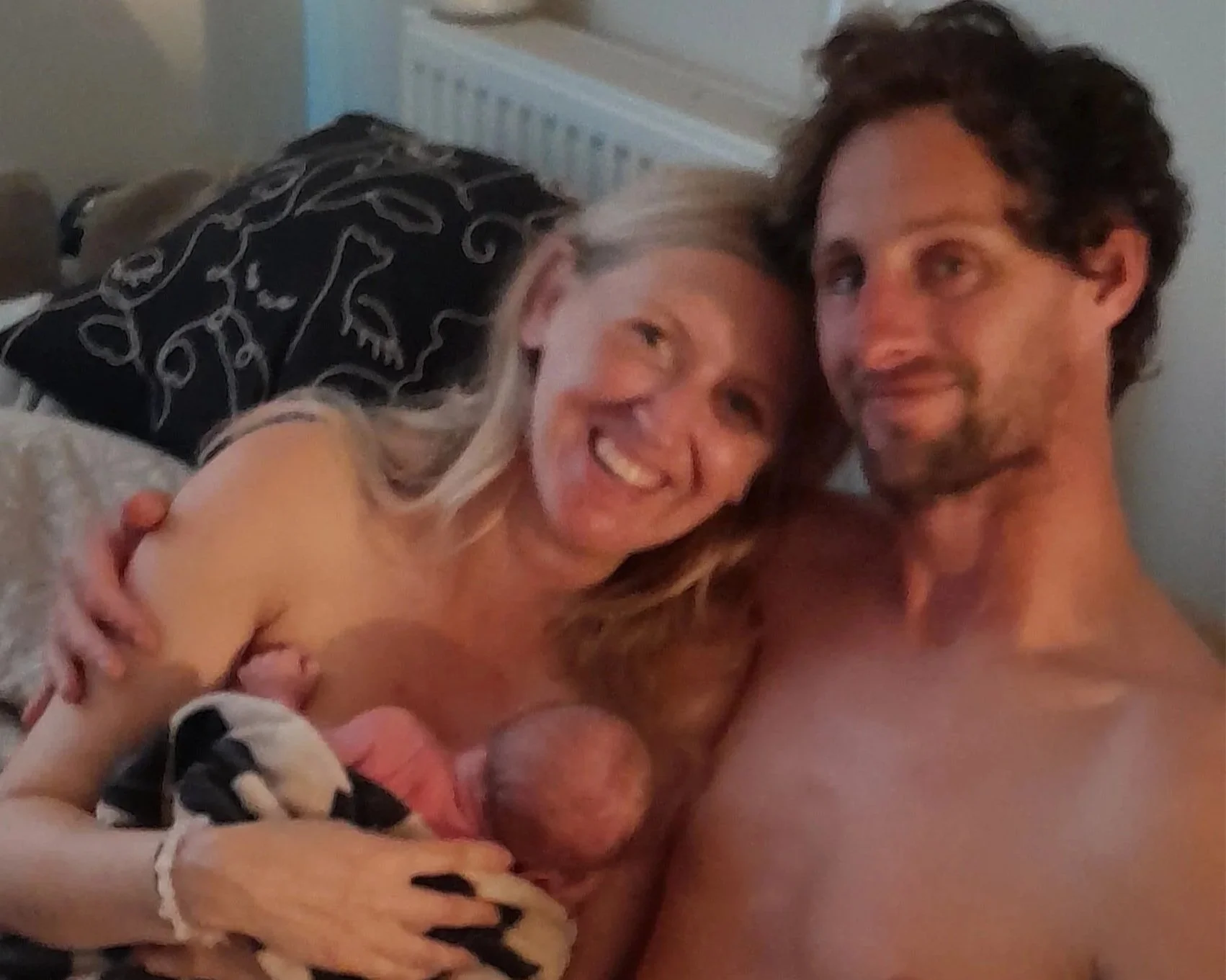
“I had a beautiful healing homebirth after a previous traumatic birth. She is worth her weight in gold.”
Hannah · Healing homebirth after birth trauma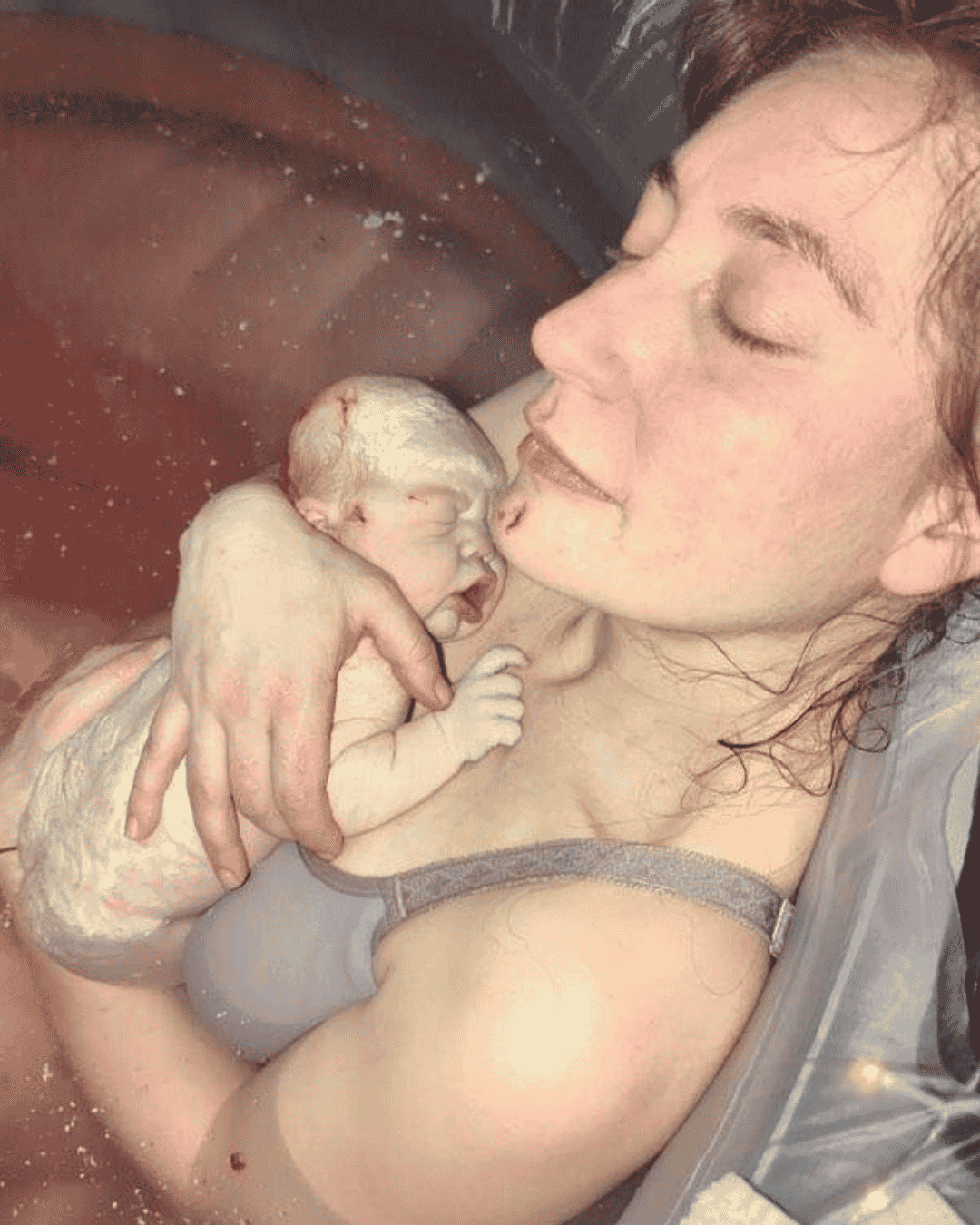
“I will literally be grateful to you for the rest of my life, Ev. Your work is so important.”
Alex · Home VBAC, before midwife arrival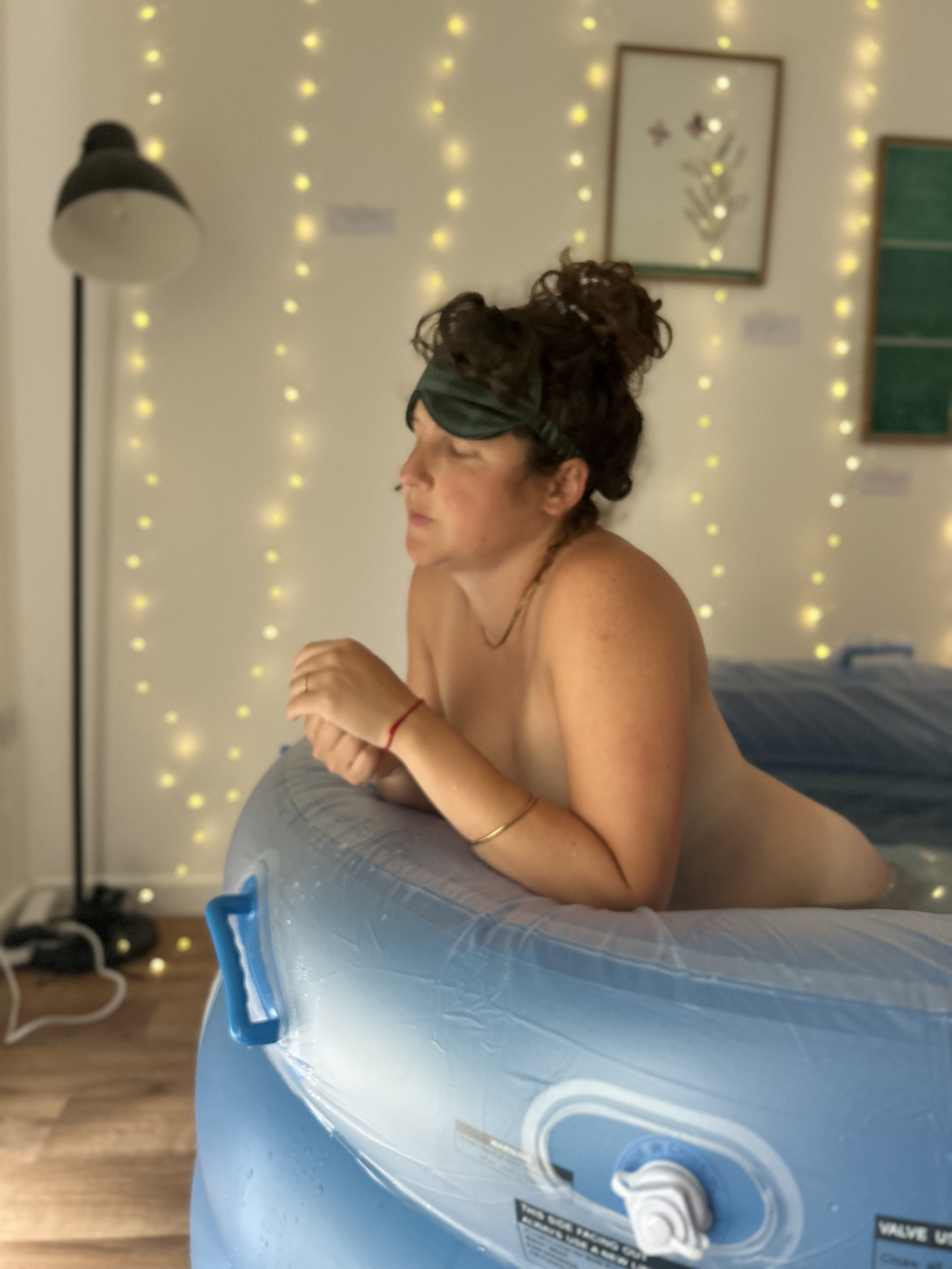
“After every session through pregnancy, I felt empowered and excited for birth, able to truly lean into my intuition and trust my body and baby.”
Georgia · Caesarean birth at 43+ weeks
“It was an absolute game changer. The birth prep we did together instilled a real trust in my body and my baby.”
Becca · First baby, homebirth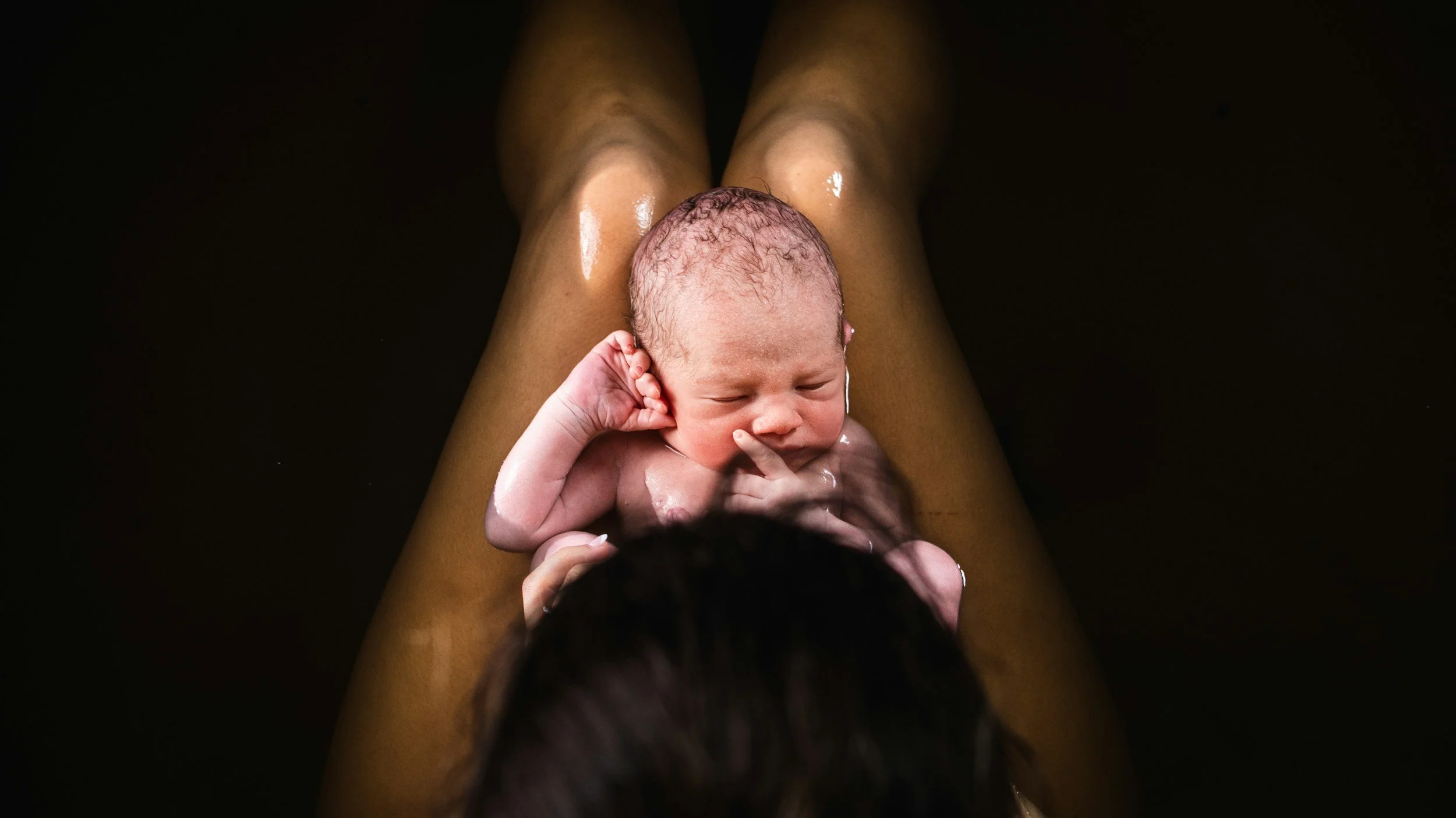
“One cannot actively help a woman give birth. The goal is to avoid disturbing her unnecessarily.”
— Michel Odent
What happens when our culture no longer believes we can birth naturally?
We are living through the industrialisation of birth, where women's bodies are treated as unpredictable machines, pregnancy is a problem to manage, and birth is something we must control.
But the body is not a machine. We are humans. With our own blueprint for birth, connected to our babies as we grow them. When we reduce birth to a medical event, to be saved from, we have lost sight of the truth, the knowledge we carry in our blood and bones, and the wisdom gathered by generations of midwives.
After more than 30 years experiencing and working in the maternity system, I believe we need to challenge these assumptions. Not by rejecting science or skilled medical care, but by bringing physiology,lived experience and empirical knowledge that cannot be captured by a randomised controlled trial.
This is my contribution to that conversation: reclaiming women's knowledge, questioning the systems that shape our care, and imagining a future in which we can openly acknowledge our innate capability and respect our choice to birth in autonomy.

There is no debate about natural birth. This is about women's bodies, lost knowledge and the legacy of a culture that has systematically disregarded our physiology.
Rooted in 20 years of attending births.
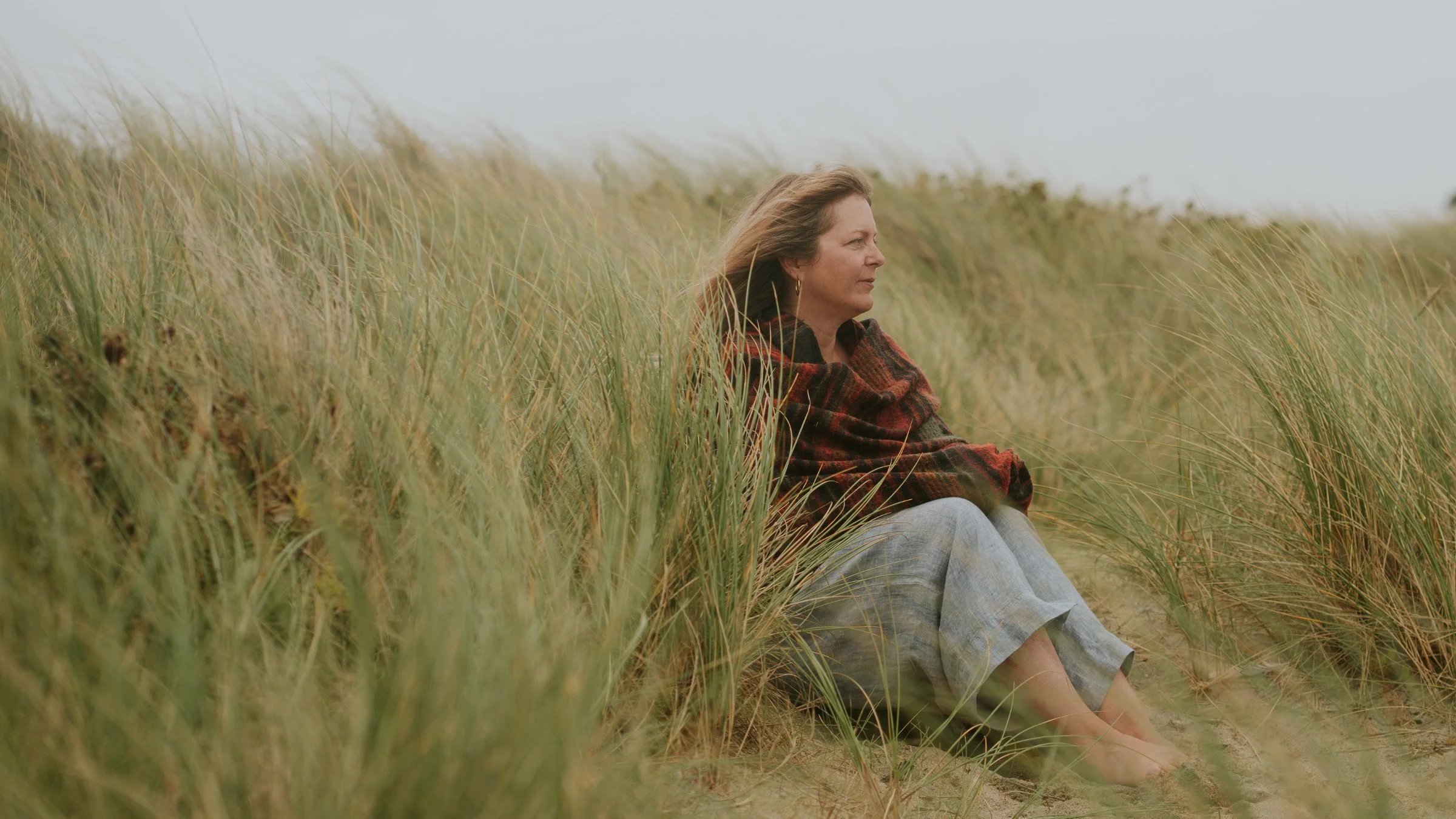
I'm Evony, a birth educator, author and former midwife.
I've spent more than 20 years attending births, alongside four years working as a birthkeeper.
I weave my professional experience, a deep understanding of birth physiology with a belief that you have a right to experience an empowering, safe, natural birth.
I'm interested in what happens when we look beyond the medical model, to understand the body's capacity to birth and reclaim the transformative rite of passage it should be.
As a contributor to Weaving Our Way Beyond Patriarchy, I explored the wider cultural forces that shape how we understand birth, women's bodies and our relationship with authority.